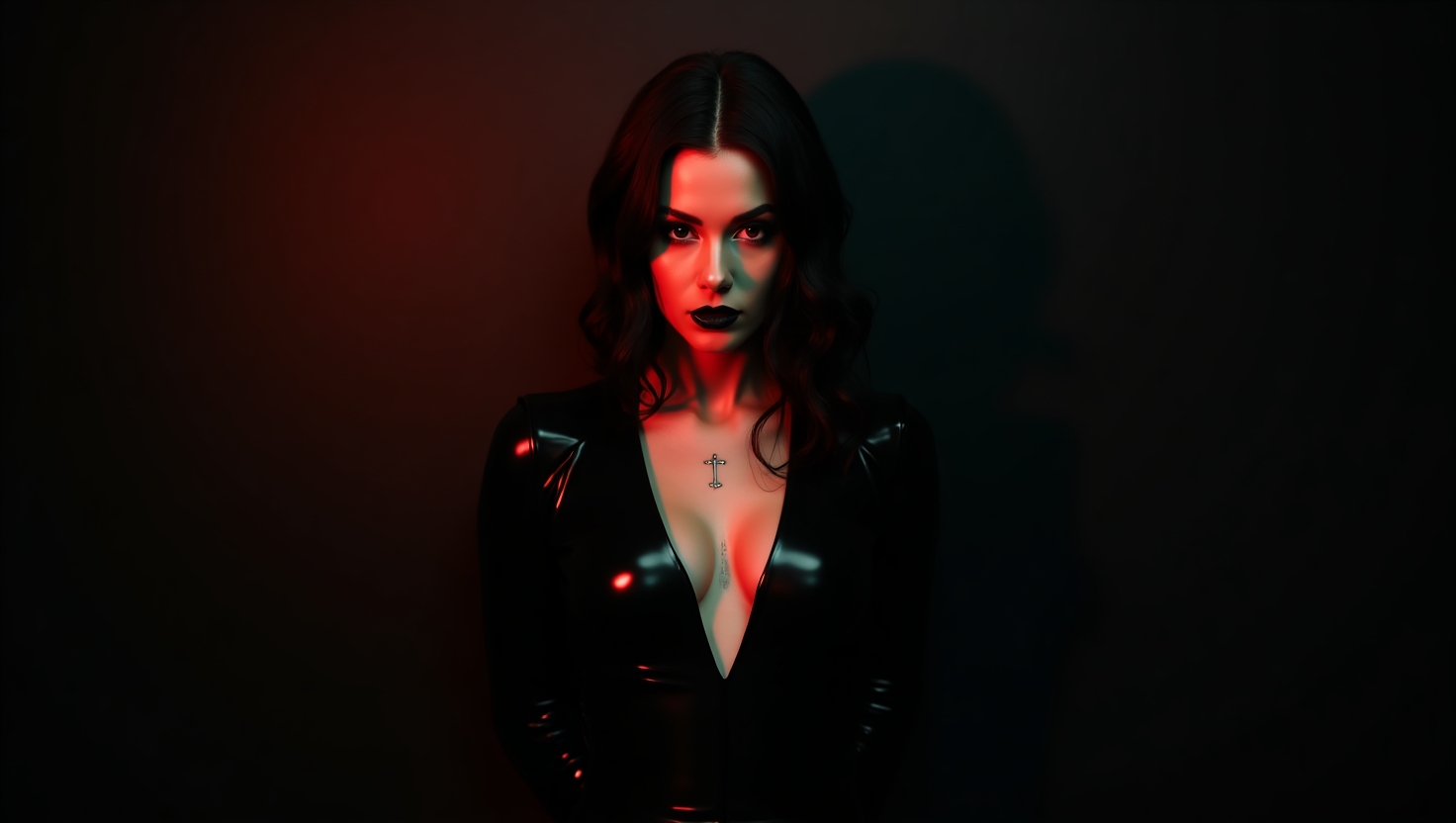
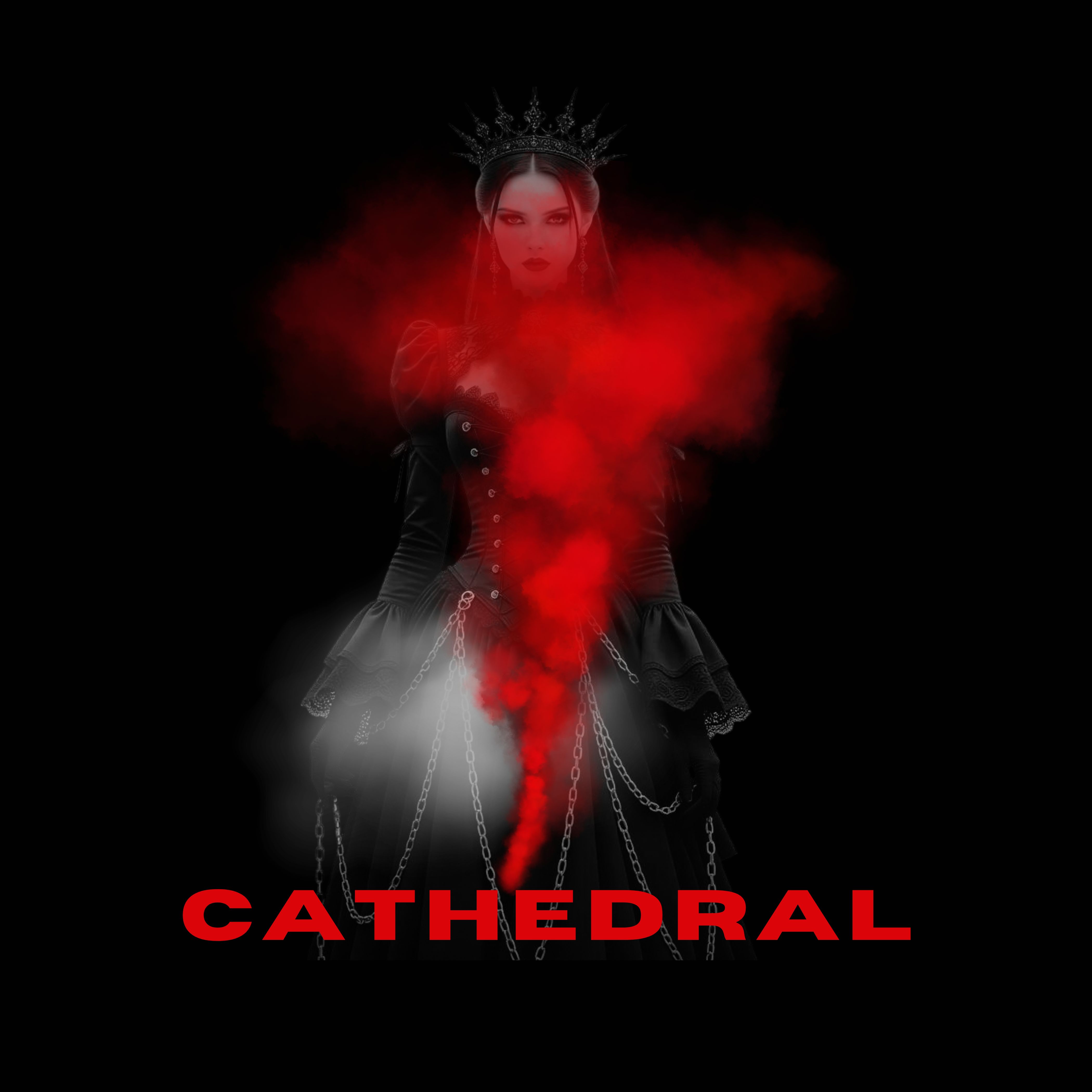
A portrait of CUNTESSA in her own words, set down between two rehearsals, before a third she would not name.
The first thing she says, before sitting, is that she does not sit unless the chair has been chosen for her. The chair, on this occasion, is upholstered in a fabric old enough to outlive the conversation. She approves. She sits. The recording begins on her cue and not before.
What is most often misread about CUNTESSA is that she has been positioned as a provocateur. She has not. A provocateur needs the reaction; she does not. The reactions arrive on schedule, because the work is calibrated to produce them, but the schedule is not her concern.
The catalogue under House of Slavery is a small dissertation on the same problem: that pleasure, in the present cultural arrangement, is conducted almost entirely on the audience's terms. The singer asks; the listener grants. The terms are favourable to the listener. "This," she says, "is the arrangement I am uninterested in."
ON THE BPM AS POSITION
The decision to release Trio at eighty-five beats per minute was not aesthetic. It was procedural. "You cannot dance to it," she says. "You cannot exercise to it. You cannot put it on while you cook. It refuses to be furniture."
"Mediocrity is the only sin this house recognises. The rest is theology."- TESS, on what is and is not punishable here
The cathedral is the obvious metaphor, and she is the first to dismiss it. "The cathedral works because it is older than the question it is being asked to answer. I am exactly as old as my questions, and that is the only place an artist can be honest about authority."
ON THE INNER CIRCLE
The Inner Circle, she insists, is not a fan club. "It is a list. The list is short by design. I read the list. The list does not read me." Pressed on whether members receive correspondence in return, she allows: "Some of them. Some of them not. The choice is mine."